Karone
Warm editorial overhead shot of a Jakarta workspace with printed research papers, a notebook, and a glass of water on a teak desk under studio lighting
01 / ABOUT

The Foundation Notes.

Karone began as a documentation exercise. A structured record of what evidence-informed daily habits actually look like when built from source literature rather than popular fitness culture. The journal formalised from that record.

── ── ── ── ── ── ── ── ── ──
Man reading a printed research journal at a wooden desk in a clean Jakarta office space with filtered natural light and minimal accessories
ARCHIVE NOTE
Jakarta, 2019 — First documentation batch. 47 source references. Three primary focus areas: morning structure, nutritional periodisation, and sleep architecture.
02 / ORIGIN

How Karone Started in Jakarta

The initial Karone documentation set was assembled in 2019 by a Jakarta-based wellness researcher who noticed a structural gap in available men's lifestyle content. Most sources prioritised scale and engagement metrics over source quality. The researcher began maintaining a personal reference log, cross-linking nutritional research with daily habit observations.

By 2021, the log contained over 340 indexed references spanning strength conditioning, nutritional periodisation, sleep architecture, and grooming documentation. The decision to formalise this as a public journal came from repeated requests within professional networks for structured, citable men's wellness content that was not shaped by supplement commerce or influencer economics.

The Karone name was chosen for its phonetic neutrality — a word without commercial precedent in the wellness space. The journal launched formally in early 2022 with an initial content set of 60 documents. It has operated continuously since, expanding to six primary focus domains with a quarterly editorial review schedule.

The journal remains wholly independent. No investor interest has been accepted that would introduce content direction obligations. No product or supplement relationship governs which topics receive editorial priority.


03 / EDITORIAL TEAM

The People Behind the Documentation

The core Karone team includes four permanent contributors and a rotating pool of external reviewers. All contributors list their qualifications transparently within author metadata on each published document.

Professional portrait of a male wellness researcher in his mid-thirties in a clean white shirt against a dark green background in a Jakarta studio
Rizal Hartoyo
Founder & Lead Researcher
BSc. Nutrition Science — Universitas Indonesia
Certified Strength & Conditioning Specialist

Primary author of Karone's strength conditioning and nutritional periodisation documentation series. Responsible for the quarterly editorial review schedule and source verification standards. Has maintained the core reference index since the journal's founding.

Professional portrait of a male sport science specialist in his late twenties with short hair in a well-lit editorial studio in Jakarta
Dimas Wibowo
Movement & Recovery Specialist
MSc. Sport Science — Institut Teknologi Bandung
Functional Movement Screen Level 2

Authors the functional movement pattern documentation, outdoor fitness programming, and active recovery window protocols. Conducts all field testing for the Weekend Outdoor Reset series in and around the Greater Jakarta metropolitan area.

Professional portrait of a female nutritionist in a clean lab coat against a white wall in a modern Jakarta wellness consultancy space
Sari Anindita
Nutrition & Hydration Analyst
MSc. Applied Nutrition — Universitas Gadjah Mada
Registered Nutrition Professional (PERSAGI)

Responsible for the Karone nutrition architecture content series. Develops the hydration index protocols, balanced plate composition guidelines, and whole-food intake structuring documents. Adapts nutritional frameworks to Indonesian tropical conditions and ingredient availability.

Professional portrait of a male sleep and cognitive performance researcher in his early forties in a calm Jakarta office with books and natural light
Bagas Prasetyo
Sleep & Cognitive Recovery Analyst
PhD Candidate — Sleep Research, Universitas Airlangga
Certified Wellness Coach

Leads the sleep architecture and stress adaptation cycle documentation. Develops the circadian alignment frameworks, pre-sleep wind-down protocols, and energy-focus calibration assessments that underpin the Karone morning routine series.

04 / EDITORIAL VALUES

What Guides Every Document

Source Integrity First

Every factual claim is traceable to a primary source. If a source is unavailable, the claim is either removed or flagged as unverified in the document. No exceptions are made for popular wellness assertions that lack published backing.

No Commercial Influence

No affiliate links, no sponsored content, no product placement. The editorial calendar is set exclusively by research availability and reader-submitted topic requests. Revenue does not shape subject selection.

Revision Transparency

When content changes, the revision history is appended to the document. Readers can compare current and previous versions. No changes are made silently. The audit trail exists for every substantive edit.

Localised Relevance

General wellness research is adapted for Indonesian conditions — humidity, local ingredient availability, commute patterns, and cultural meal timing. Abstract global research is made operationally useful for men living and working in Indonesian urban environments.

Proportionality in Claims

Effect sizes matter. A statistically significant result from a single small-sample study is presented with appropriate caution. Karone does not amplify weak findings to justify popular narratives. The language matches the evidence strength.

Readable Without Sacrifice

Technical rigour does not require dense unreadable prose. Karone aims for accessibility within the technical register — precise language, defined terms where necessary, and structured formatting that respects the reader's time.

05 / SOURCING DISCLOSURE

Where the Research Comes From

Karone's reference base draws from several categories of published source material, weighted by methodological quality. The sourcing protocol classifies references into three tiers and handles each tier with a different presentation standard.

Tier 1 — Primary Literature

Peer-reviewed articles from indexed nutrition, sport science, and sleep research journals. These carry full citation in published documents and are cross-checked against at least one independent replication study where available.

Tier 2 — Systematic Reviews

Meta-analyses and systematic reviews aggregating multiple primary sources. Carry a higher evidential weight than single studies and are used where available to replace isolated references. Published with notation of the underlying study count.

Tier 3 — Grey Literature

Government nutrition guidelines, institutional position papers, and qualified professional body statements. Used only when primary literature is unavailable. Always flagged explicitly as grey-literature sourcing within the document.

Independent Wellness Resource Statement

Karone is an independent wellness resource focused on everyday nutrition and active lifestyle practices for men. The content is not affiliated with any governmental or institutional body.

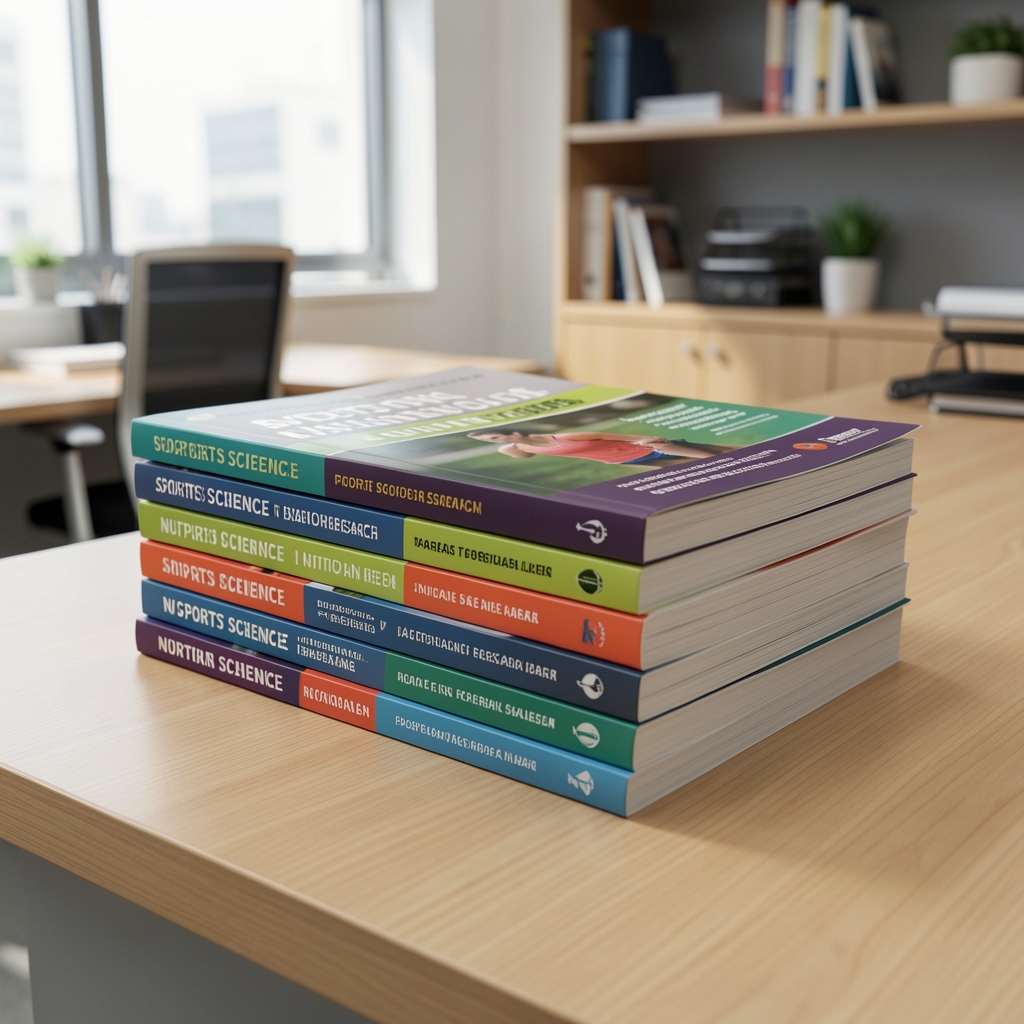
Stack of sports science and nutrition research journals on a clean wooden surface in a well-organised Jakarta editorial office under controlled lighting
340+
Indexed References
6
Years Operating
4
Core Contributors
Q
Quarterly Reviews
06 / SUSTAINABILITY

Sustainable Practices in Publishing

Karone's sustainability commitment extends beyond content quality into operational practice. The Jakarta office operates on a reduced-paper workflow. Field research logistics prioritise public transit and cycling. Photography sessions are conducted on-site to minimise travel-associated resource consumption.

The server infrastructure hosting the Karone journal is certified carbon-neutral through the host provider's offset programme. Content is archived in a single, well-organised reference structure rather than replicated across multiple redundant platforms.

Lean living, as a concept in Karone's editorial vocabulary, applies to the publication activity itself — not only to the reader's daily routine guidance. Fewer resources, greater precision, sustained over time.

Clean minimal editorial workspace in Jakarta with a bicycle parked inside, printed research documents on the wall, and natural light from tall windows