Six structured documentation domains, each maintained as a living reference. Programs are updated quarterly in line with the Karone editorial review cycle. No external sponsorships influence program content or ingredient framing.
The Karone strength documentation framework covers progressive overload methodology, compound movement sequencing, and weekly periodisation structures designed specifically for professionals with variable weekly schedules. Every program module is derived from indexed exercise science literature with documented revision dates.
Structured across four training phases: Adaptation, Accumulation, Intensification, and Deload. Each phase includes movement pattern ratios, set-rep ranges, rest intervals, and substitution guidance for equipment-limited contexts.
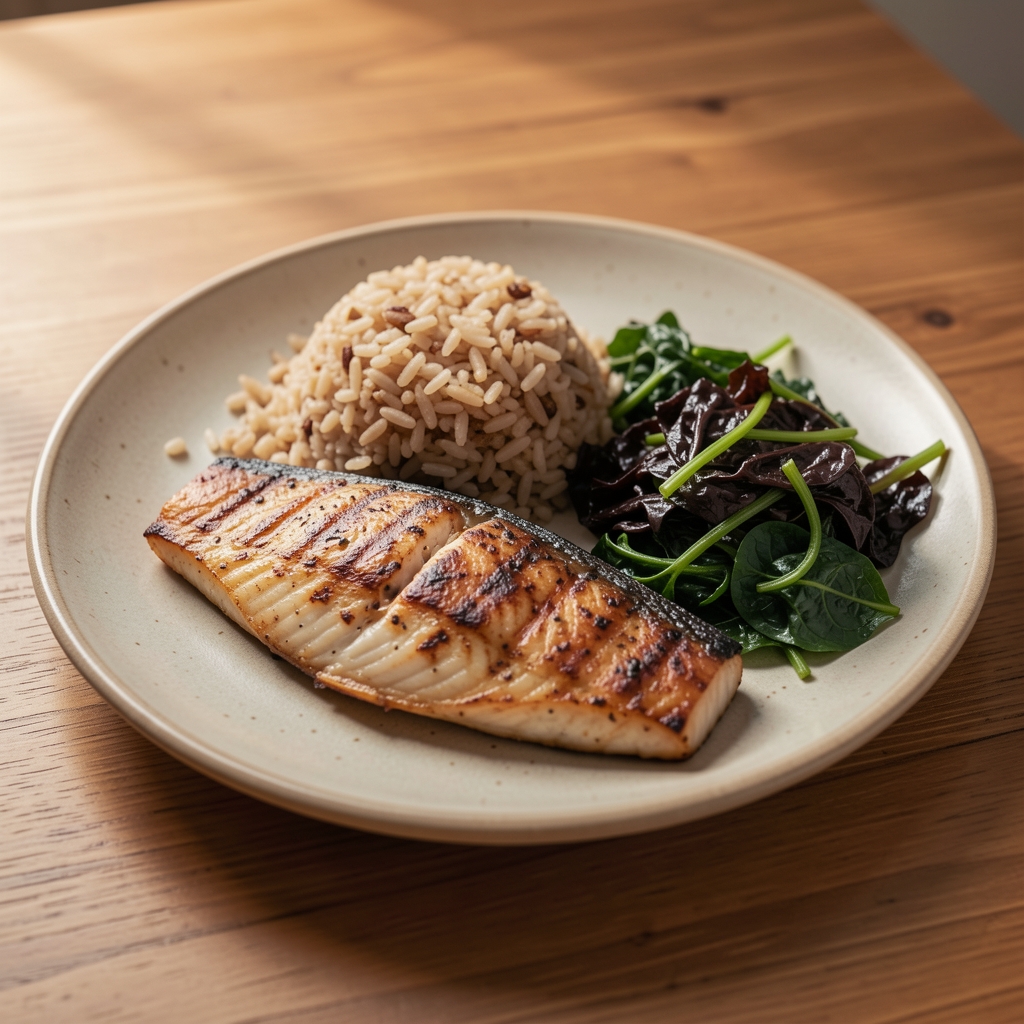
Karone's nutrition documentation centres on whole-food intake structuring, balanced plate composition, and meal periodisation across distinct training phases. The framework emphasises hydration habits, lean eating patterns, and mindful eating practices as primary variables — not supplementation.
Portion awareness, meal structure, and daily energy distribution are documented as interlinked variables. The hydration index protocol provides a personal daily fluid target derived from body weight, ambient temperature, and activity output — calibrated for equatorial climates including Jakarta.
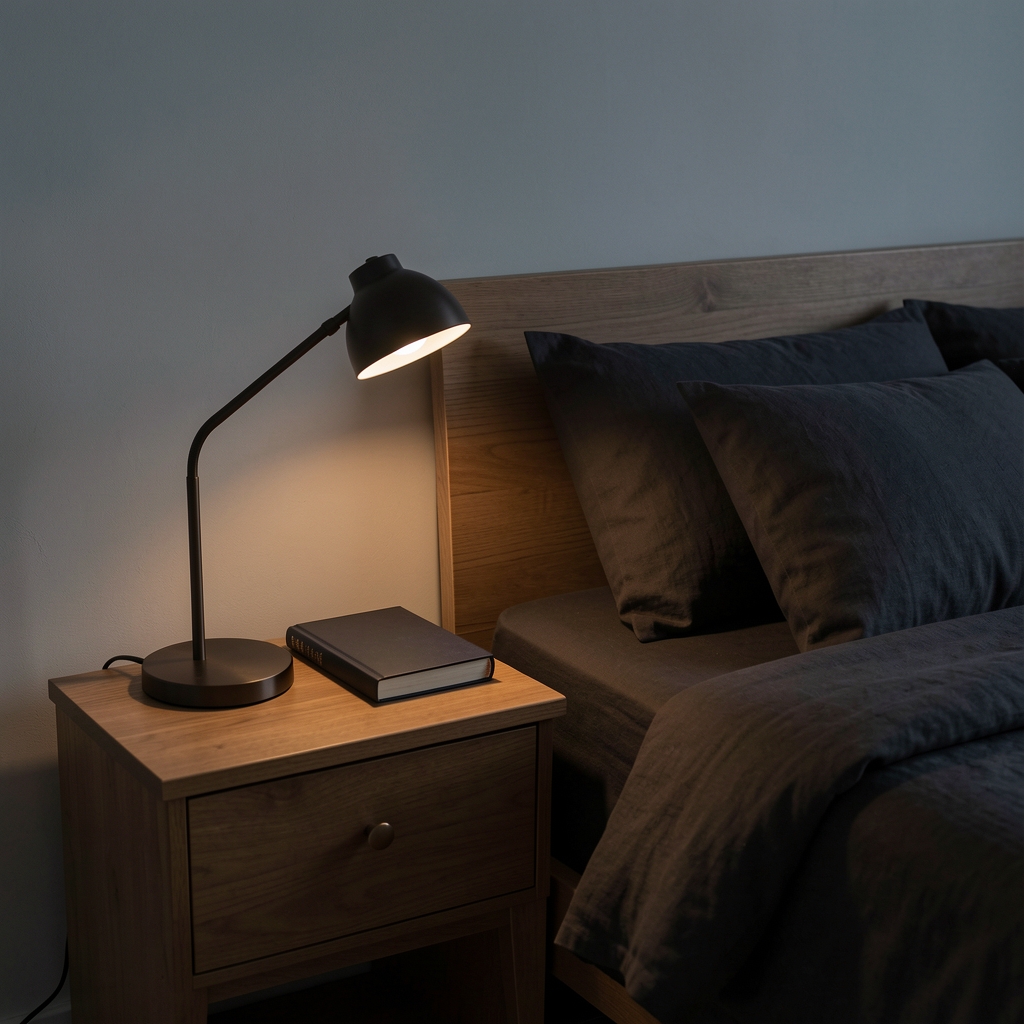
The Karone sleep framework addresses circadian rhythm alignment, pre-sleep wind-down sequencing, and sleep-environment variable optimisation. Recovery window calibration links sleep quality indicators to next-day readiness scores, creating a measurable feedback loop between rest quality and active performance.
The documentation covers light exposure patterns, screen wind-down timing, ambient temperature targets, and cognitive deactivation routines. All protocols are informed by published sleep science research, referenced with indexed source counts per module.
The stress adaptation module addresses the relationship between sustained occupational demands and physiological adaptation capacity. Documentation covers the stress adaptation cycle, cognitive recovery scheduling, and structured decompression routines that fit within a working professional's calendar.
Mindful eating practices are integrated within this domain, drawing on the connection between sustained cognitive load and dysregulated eating patterns. Energy-focus calibration protocols provide a daily log structure for tracking attentional quality across time-of-day variables.
Weekend outdoor reset programming provides structured frameworks for low-to-moderate intensity movement outside the gym. Functional movement pattern sequences, endurance work structuring, flexibility drills, and body composition awareness tracking are documented across a 52-week outdoor calendar adapted for the Jakarta metropolitan area and surrounding accessible green zones.
Seasonal considerations account for the dry and wet season cycle in West Java. Trail running, bodyweight circuit frameworks, and group session planning guides are included as appendices to the core outdoor program document.
The Karone grooming documentation covers skincare basics for equatorial climates, grooming essentials selection criteria, wardrobe planning frameworks, and everyday polish routines. Seasonal style adaptations specific to Jakarta's humidity profile and UV index are included as appendices to the core personal care document.
Personal care is regarded as a structured practice rather than a discretionary variable. The framework emphasises consistency over product complexity — documenting a minimal but effective daily routine that intersects with the morning activation protocol from Program 01.
| Domain | Sources |
|---|---|
| 01 — Strength & Conditioning | 62 refs |
| 02 — Nutrition Architecture | 78 refs |
| 03 — Sleep Architecture | 54 refs |
| 04 — Stress Adaptation | 47 refs |
| 05 — Outdoor & Functional | 38 refs |
| 06 — Grooming & Personal Care | 29 refs |
Reference counts reflect indexed source literature citations per program document. Counts update with each quarterly revision cycle.